Educational overview only. Prudent Guardian (www.inspirecodingedu.com) is not an insurance company, broker, law firm, or registered investment adviser, and does not provide personalized insurance, investment, tax, medical, or legal advice. Verify details with licensed professionals and official issuers.
The order names an allowance. The allowance balance is on another sheet. You tap the line item for the site-wide safety rail retrofit allowance, already half used up after the first month of structural upgrades. You cross-reference the change order’s listed material and labor costs against the remaining funds in under two minutes, no spreadsheets needed right now.
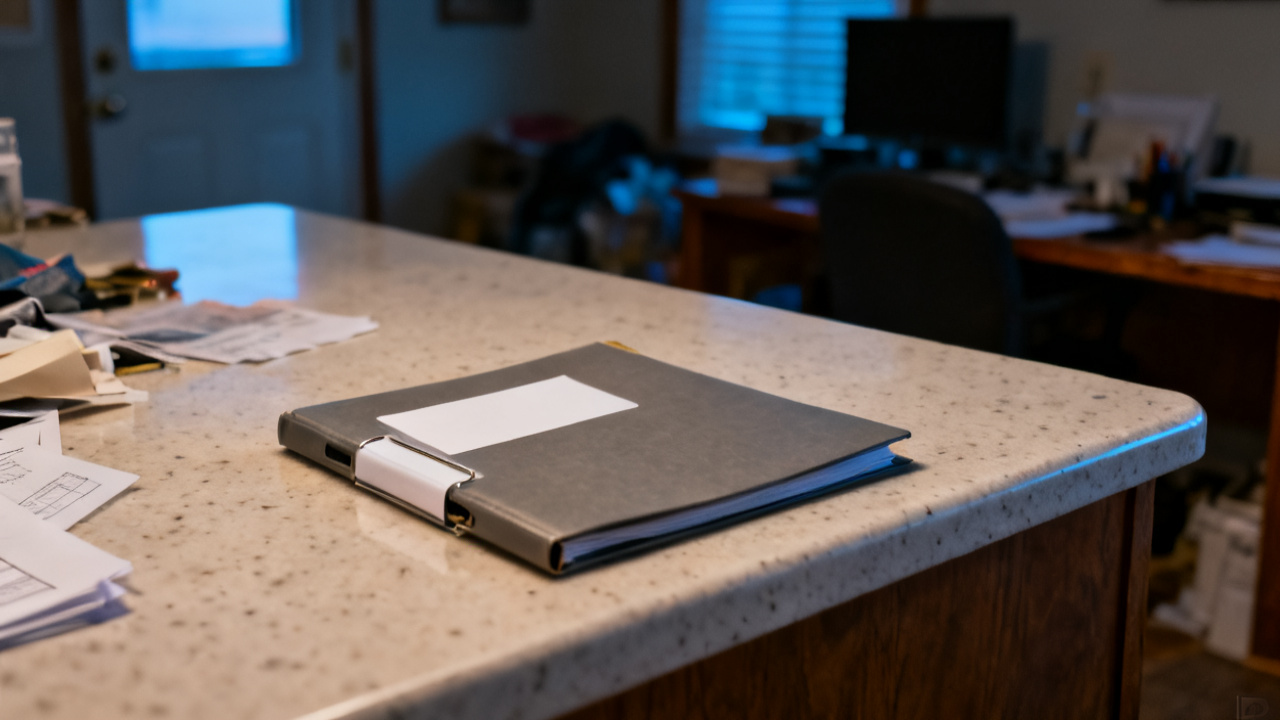
The Change Order You Hold Right Now
This is the approved, signed change order submitted last week for the additional top-floor rail runs required after the updated OSHA walkthrough earlier this month. It specifies all work is eligible to be drawn 100% from the existing safety retrofit allowance, no need to request additional budget from the project owner. You flip the page once to confirm the foreman’s signature and work completion date are both present, no missing fields that would delay draw processing. The document also includes an itemized breakdown of costs: galvanized steel rails, heavy-duty mounting brackets, corrosion-resistant coating, and 12 total hours of labor for two certified crew members to install and inspect the new rails. Every line item maps directly to the allowance’s originally defined scope, so you don’t have to flag any out-of-scope charges for secondary review. You cross-checked the remaining allowance balance last week in Draw Jacket, so you already have a rough sense of how much headroom you have before you pull the dedicated allowance log sheet from your desk tray to confirm the exact number.

One Line That Defines Eligible Draw Amounts
That line sits at the top of the allowance log sheet, third row down, listing the allowance’s original allocated total, total drawn to date, and remaining available balance. This line is the only number that matters for approving this draw, because any draw amount that exceeds the remaining balance will require a separate budget approval request that adds 7+ days to processing time, holding up payment for the crew that completed the work last week. The line includes a timestamp next to the balance, dated three days prior, after the last draw for mid-project safety vests and harnesses was processed, so you know the number is fully current, no unrecorded draws have been applied since that update. Illustrative example: If the remaining balance listed on that line is $12,450, you can approve up to that full amount for this change order draw without additional sign-off, even if the change order’s quoted costs come in $500 under that threshold. You don’t need to adjust the allowance total for this line unless the project owner submits a written amendment to the original allowance allocation, which hasn’t happened here, so you can rely on the listed number as accurate for this processing step. Any surplus left in the allowance after all eligible work is complete will be returned to the project’s general contingency fund per the original contract terms, so you don’t have to use the full balance if you don’t need it for eligible work.
Where You Log This Draw Against The Allowance
You log the draw directly in the next blank row of the allowance log sheet, following a standard process to avoid errors or gaps that could cause reconciliation issues later:
- You write the change order number, work completion date, and total draw amount of $11,900 in the corresponding columns of the blank row directly below the most recent allowance entry, leaving no empty rows between entries to eliminate the risk of duplicate entries or unaccounted-for draws being added later without your knowledge.
- You calculate the new remaining balance by subtracting this draw amount from the previous remaining balance of $12,450, arriving at a new balance of $550, and write that new number in the remaining balance column next to your entry, double-checking the math twice to ensure you don’t record an overdraw by mistake.
- You add your initials next to the entry to confirm you reviewed the change order’s eligibility and approved the draw against the allowance, so anyone reviewing the log later knows who processed the entry and can reach out to you with any questions about the supporting documentation.
- You staple the signed change order to the back of the allowance log sheet, so all supporting documentation is stored with the log for future reference, no need to hunt through separate file folders later if a question comes up about the draw’s eligibility or amount.
- You make a quick, legible note on the front margin of the change order that the draw was applied to the safety retrofit allowance, so if you pull this change order again for any reason later, you don’t have to cross-reference the full log to confirm where the funds were pulled from.
You double-check each entry once more to make sure there are no typos in the change order number or draw amount, because even a transposed digit could lead to a discrepancy in the allowance balance down the line that takes hours to reconcile. You set the log sheet back in your desk tray, next to the stack of pending draw requests you’ll process tomorrow, so it’s easy to find when you need it next.
When You Open This Exact Page Next
That will be when you’re processing the final draw for the safety retrofit allowance, after the last of the ground-floor perimeter rail installation work is complete and signed off by the site foreman and OSHA inspector. You’ll flip to this exact change order page first, to confirm the amount drawn against the allowance matches the entry you made today, before you process that final draw. You’ll cross-reference this entry against the allowance log to make sure no other unapproved draws were applied to the allowance in the interim, so you can confirm exactly how much is left for that final payment. If the remaining $550 balance is enough to cover any small last-minute supply costs for that final install, you’ll process the draw the same way you did today, no extra steps needed. If there’s any surplus left after that final draw is processed, you’ll note that on the log to be moved to the project’s general contingency fund per the original contract terms, no extra paperwork required. You won’t have to search for supporting documentation because you stapled this change order to the log, so you’ll have all the information you need in one place in under 30 seconds. You’ll also be able to answer any questions the project owner’s finance team has about the allowance draws quickly, because every entry is clearly logged and tied to a signed, approved change order, no vague line items or missing context to sort through. You might even use this page as a reference if you set up similar safety-related allowances for upcoming multi-floor renovation projects, since you’ll have a clear record of how the funds were allocated and drawn down over the course of the project, no guesswork needed to structure those future allowances appropriately.